

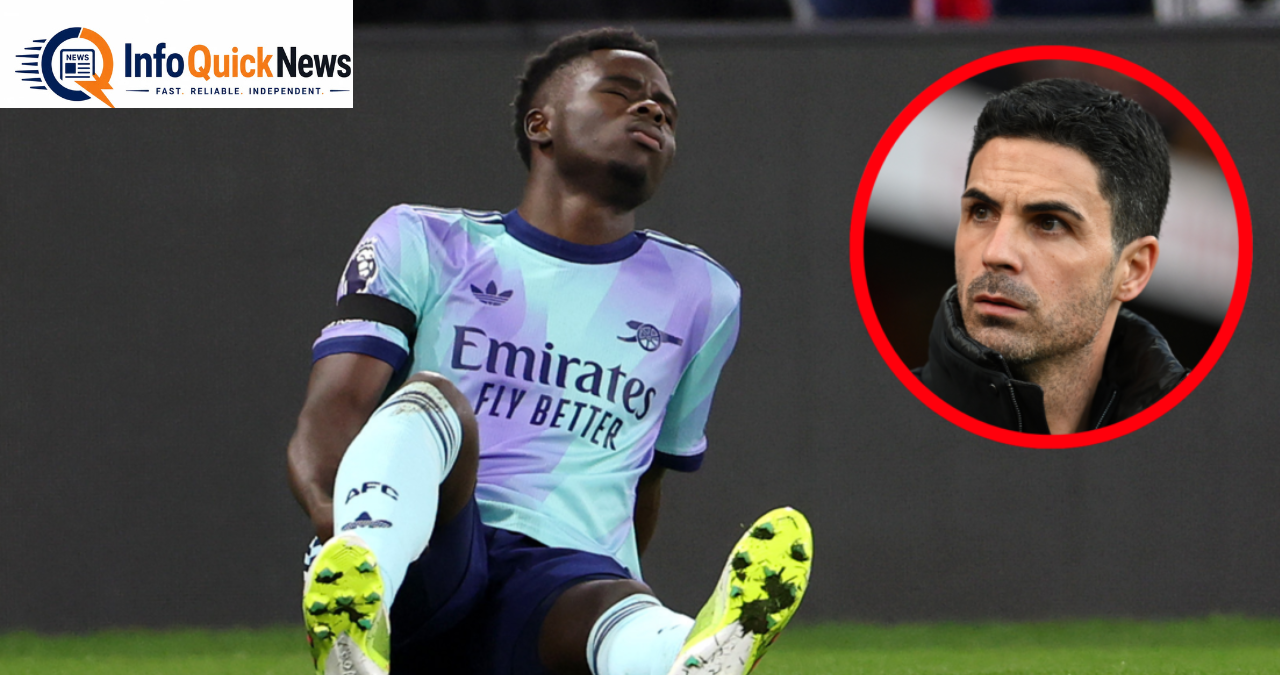
bukayo saka injury has been one of the biggest talking points among football fans in recent months. As one of Arsenal’s most important players and a key member of the England national team, any injury to Bukayo Saka immediately attracts worldwide attention. Fans, coaches, and football experts closely follow every update because his presence on the pitch often changes the outcome of a match.
Saka has built a reputation as a hardworking, skillful, and dependable winger. His pace, creativity, finishing ability, and tireless work ethic make him one of the Premier League’s brightest stars. Unfortunately, football is a demanding sport, and even the fittest athletes sometimes suffer injuries. The bukayo saka injury reminded everyone how physically challenging modern football has become.
This article explains everything you need to know about bukayo saka injury, including how it happened, the recovery process, Arsenal’s performance without him, medical treatment, injury prevention, and what supporters can expect in the future.
Quick Facts About Bukayo Saka Injury
| Detail | Information |
|---|---|
| Player | Bukayo Saka |
| Club | Arsenal FC |
| Position | Right Winger |
| National Team | England |
| Injury Type | Hamstring Injury |
| Recovery Goal | Full fitness before returning |
| Main Concern | Avoiding re-injury |
| Importance | One of Arsenal’s key attacking players |
Who Is Bukayo Saka?
Before understanding the bukayo saka injury, it helps to know why he is such an important player.
Bukayo Saka came through Arsenal’s famous academy and quickly became one of the club’s biggest success stories. His ability to score goals, create chances, defend, and work hard has made him a fan favorite.
Even at a young age, Saka has shown remarkable maturity. He regularly performs well in high-pressure matches and has become one of the first names on Arsenal’s team sheet.
His consistency has also earned him an important role with England, where he continues to impress against some of the world’s best teams.
How Did the Bukayo Saka Injury Happen?
The bukayo saka injury occurred during a competitive match after weeks of intense football. Throughout the season, Saka played many games for both Arsenal and England, leaving little time for rest.
Like many modern footballers, he faced:
- Busy match schedules
- Long-distance travel
- High-speed sprinting
- Physical tackles
- Limited recovery time
Eventually, the repeated stress on his muscles led to a hamstring problem. Hamstring injuries are common among fast attacking players because they frequently accelerate, stop suddenly, and change direction.
Medical staff quickly examined the injury and decided that rest and rehabilitation were the safest options.
Understanding a Hamstring Injury
A hamstring injury affects the muscles located at the back of the thigh. These muscles help players:
- Sprint
- Jump
- Kick the ball
- Change direction
- Maintain balance
When these muscles become overstretched or torn, players often experience sudden pain and cannot continue playing comfortably.
Depending on the severity, recovery may take several weeks or even months.
Doctors usually classify hamstring injuries into different grades based on how much muscle damage has occurred.
Why Hamstring Injuries Are Common in Football
Football places enormous pressure on the legs. Every match includes hundreds of quick movements that challenge muscles.
Some common causes include:
- Repeated sprinting
- Muscle fatigue
- Tight muscles
- Lack of recovery
- Overloaded match schedules
- Sudden acceleration
Players who depend on speed, like Bukayo Saka, naturally face a greater risk because their muscles work extremely hard during every game.
Immediate Treatment After the Bukayo Saka Injury
As soon as the bukayo saka injury occurred, Arsenal’s medical staff followed professional injury management procedures.
The first stage usually includes:
- Physical examination
- Scans to determine muscle damage
- Rest from competitive matches
- Ice therapy to reduce swelling
- Compression and support
- Careful monitoring by specialists
Modern football clubs invest heavily in sports science. Every step of recovery is designed to protect players from returning too early.
Rather than rushing recovery, medical teams focus on long-term health.
Arsenal’s Medical Team and Recovery Plan
Recovering from a professional football injury involves much more than simply resting.
The medical team develops a personalized rehabilitation program that may include:
Physical Therapy
Physiotherapists help rebuild muscle strength through carefully controlled exercises.
Strength Training
Special workouts strengthen both legs equally, reducing the chance of future injuries.
Running Drills
Players gradually increase running speed instead of returning directly to full-intensity matches.
Ball Training
Once pain disappears, players begin training with the ball to rebuild confidence and match fitness.
Match Simulation
Before returning, players complete demanding training sessions that closely resemble competitive matches.
Only after successfully completing every stage does the coaching staff consider selecting the player.
How Arsenal Performed Without Bukayo Saka
The bukayo saka injury had a noticeable impact on Arsenal’s attacking style.
Saka contributes much more than goals. He also creates scoring opportunities, presses defenders, carries the ball forward, and stretches opposition defenses.
Without him, Arsenal sometimes faced challenges such as:
- Reduced creativity
- Fewer dangerous attacks
- Less pace on the right wing
- Greater pressure on other attackers
However, football is a team sport. Other players stepped up to help maintain Arsenal’s competitive level while Saka recovered.
Manager Mikel Arteta adjusted tactics to ensure the team remained balanced.
Why Rest Is So Important During Recovery
Many fans want injured players to return as quickly as possible. However, returning too early can create much bigger problems.
If the muscle has not fully healed, players may suffer:
- Another hamstring tear
- Longer recovery periods
- Reduced performance
- Greater injury risk
Professional clubs now understand that patience often leads to stronger long-term results.
A complete recovery helps players perform with confidence instead of worrying about another setback.
The Mental Side of the Bukayo Saka Injury
Physical healing is only one part of recovery.
Professional athletes also experience emotional challenges after injuries.
These may include:
- Missing important matches
- Watching teammates from the sidelines
- Worrying about returning to top form
- Feeling frustrated during rehabilitation
Fortunately, today’s football clubs provide psychological support alongside medical care.
Sports psychologists help players stay motivated, focused, and confident throughout recovery.
For someone like Bukayo Saka, maintaining a positive mindset is just as important as rebuilding physical strength.
